 EN
EN

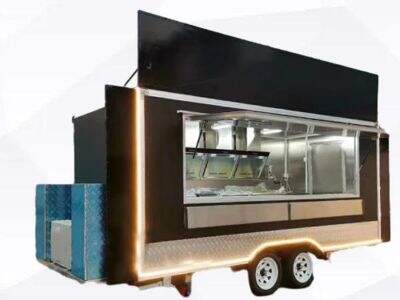
Have you been dreaming of building your own lightweight pickup camper but feel like you don’t have the tools, experience, or time? No worries. With a little imagination and these basic DIY concepts, you can make your camper dreams a reality, whatever that dream may be (trailers for bikers? The best part? You don’t have to be an experienced builder, and you certainly don’t need fancy tools. At Pioneer, we know that everyone deserves a good time in the great outdoors. Which is why we are here to help you achieve a cozy, light-as-possible Pickup Camper without wanting to fill out a brain-donor’s card in the process.
How to Make a Pickup Lightweight Camper Without Using Special Tools?
You’d be surprised how easy it is to build your own pickup truck camper. You want to begin with some basic supplies. You may want to have on hand some plywood, foam insulation and a waterproof tarp. Plywood is sturdy and can be used to make walls and a floor for your camper. Foam insulation will ensure it’s cozy, no matter the weather. Begin by measuring the size of your truck bed. Know how big your pickup and camper is. Trim the plywood, so pieces sit snugly. A handsaw, which is simple to control. If you don’t know one saw from another, ask a parent or friend to assist. Sandal all of the edges so it’s smooth and safe.
Next, assemble the panels. Secure the walls on to the floor with screws. Not even a power drill — hand screws will do the job. Then, it’s on to the insulation. Install the foam between walls and outer plywood. This pitcher is guaranteed to keep you warm on those cold nights, and cool during those hot days. Make sure everything is snug. Once you’ve constructed the basic frame, drape that waterproof tarp over it. Fasten it securely with cable or bungee cords. This rain cover will protect your camper from rain and wind. And lastly, consider adding a minimalist door. You may use a second piece of plywood for this. You just have to provide a swinging-threshold, hinged at top. And don’t forget to jazz it up with your favorite colors.
How To Personalize Your Lightweight Pickup Camper For Maximum Comfort?
Now that you have the bare bones of your camper, let’s make it feel like home. Comfort is the holy grail of camping. Begin by putting in some soft bedding. A small mattress or a thick sleeping pad will also work. Drape it in cozy blankets and pillows. The more, the merrier. If you have a little extra room, consider installing a small shelf. Or even a piece of wood attached to brackets. This shelf can be used to store your snacks, a lamp, or even enjoyable games to play with friends.
Lighting is also a hallmark of a cozy camper. You can string lights up the side brightening it so nicely at night that don’t require batteries. Lights that work on batteries are also a good bet. They illuminate the pickup truck camper with minimal effort. Don’t forget about air circulation. If it’s too stuffy, try a small mesh window. This also allows air to flow while keeping unwanted bugs out.
Next, think about storage. Use bins or bags that fit under the bed, on shelves to keep your area tidy. This allows you to keep your clothes, food and gear stowed neatly. You may also want to arrange a small table for eating or playing cards. A fold-able table is great and can even save space in the car. Finally, it’s the personal details that make your camper unique. Hang pictures, add splashes of color with cushions or plant a low-maintenance small plant.
By following these instructions you’ll be the proud owner of your own light weight Pickup Camper that does not require skilled labor or special tools. Unleash your imagination, and you can soon embark on unforgettable travels with a hand-crafted Pioneer camper. Happy camping.
Why A Lite Weight Truck Camper Is Perfect For Weekend Escapes?
For weekend trips, lightweight pickup campers are hard to beat. They’re portable and easy to set up on the bed of your truck. This makes them nearly portable. One of the greatest advantages that a lightweight pop-up camper provides is how simple it is to convert. Just park your truck wherever it suits you and in no time at all, you can have your home away from home completely set up. Ideal for family vacations, fishing weekends or just some time out. You save time and aggravation without a trailer or large RV.
Pioneer campers are built for adventure and your comfort. Though lightweight, they still come with a comfortable bed (or beds), space to store your gear and somewhere to cook if that’s what you’d like. You can pack the bed of the pickup with food, clothes and whatever else you think is fun. Once it’s time to eat, you can create a make shift kitchen area outside with ease. One of the many highlights of camping: Eating in nature. And when you’re done, you can easily pack it all up and head to your next stop.
Lightweight pickup campers are also less expensive. You aren’t required to pay for huge RV spaces, and much of the time you can even camp for free in free areas or state parks. That means there’s more to spend on fun stuff, like hiking or biking, or just general exploring. If you love nature and are looking for a break to spend some quality time with family or friends, lightweight camper is an ideal option. The ease of the setup and comfort as well as budget conscious features make your Pioneer camper a great investment for your family’s enjoyment.
How To Choose The Best Layout For Your Pickup Camper?
Selecting the proper design for your lightweight pickup camper is absolutely important. How comfortable the camper will be and how well it fits your truck depends on the design. First, consider how many people will be using this. If you have a large family, you’ll probably want a design that’s big enough for everyone to sleep comfortably. If you’re only going with one or two friends, a smaller model could be just the ticket. Some designs provide a pop-up roof so you can get some more headroom while in the vehicle. This gives the camper a bigger, more comfortable feel.
Next, think about what features you need. Are you looking for a tiny kitchen with a stove and sink? Or, really, just a comfortable place to sleep? And there are plenty of Pioneer-made designs offering other aspects. Some may even include storage for your gear, which is a super convenient way to keep everything tidy while you’re on the road. Consider what you typically bring on trips and how much storage space you require.
Also, consider the materials of construction. Lightweight campers are constructed using various materials, including aluminum and fiberglass. There are trade-offs to each of them so it’s also good to check which one would work best for you. Lightweight materials are great because they won’t weigh down your truck too much. Last but most certainly not least, consider how easy or hard the caddy is to build and customize. And if you fall, the next time around it will be over another layout whose allowance for change is important. In the end, there you have it until next time to cruise through and pick which is best for your own adventure style and requirements.
What Tools Should You bring to Build a Light Weight Truck Camper?
It may sound challenging to make your own portable camper, but you don’t have to be a carpenter with an arsenal of fancy tools and decades of experience. It’s actually possible to build a great camper van yourself. And while the process takes more time, you can save money in the long run. First off, let’s discuss the necessary tools. A good drill is probably the most important tool. It helps hold everything together and building is much easier. In addition, you’ll need screws and other fasteners to hold the pieces together with great force.
Next, you should have a saw. Hand saw or power saw, it doesn’t matter. In addition, the saw assists in cutting wood or materials for your camper. If you plan to use metal parts, you will need a cutter that can handle them, but people typically stick with wood for ease of use. Be sure to have measuring tape so you can cut everything the right size. And it’s not just important, but really beneficial that you take your time and measure twice before cutting.
But you will also need a level tool. This helps insure the floor and walls are straight when camping, you are safe and everything is comfortable. For your safety, it may also be a typically useful to have a hammer and utility knife for nailing things or cutting as you build. Last but not least, don’t leave safety gear behind.
Table of Contents
- How to Make a Pickup Lightweight Camper Without Using Special Tools?
- How To Personalize Your Lightweight Pickup Camper For Maximum Comfort?
- Why A Lite Weight Truck Camper Is Perfect For Weekend Escapes?
- How To Choose The Best Layout For Your Pickup Camper?
- What Tools Should You bring to Build a Light Weight Truck Camper?