 EN

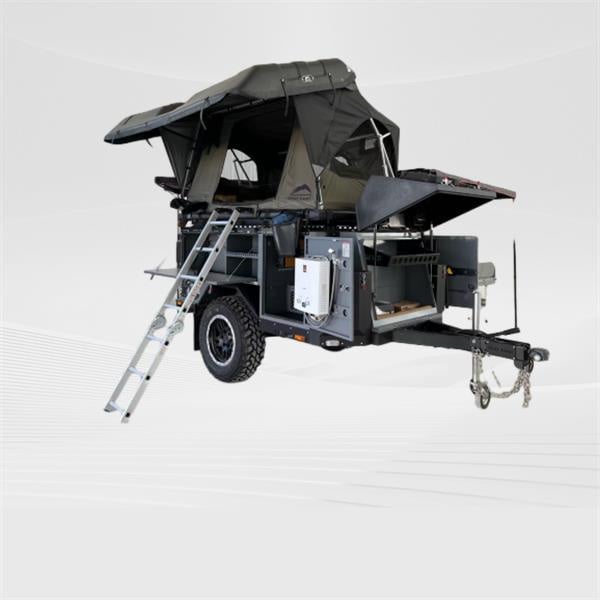
Specifying a custom topper against your real payload rather than a brochure number is crucial for ensuring the right fit and performance of your RV or food truck. In the B2B environment, purchasing managers and engineers face challenges in selecting the appropriate topper that meets their specific payload requirements while also addressing concerns related to quality, durability, and cost. This article will guide you through the key considerations for matching your real payload requirements, identifying common problems with toppers and their solutions, evaluating cost factors for bulk orders, and understanding when a custom topper solution is necessary.
How to Match Real Payload Requirements
Matching your real payload requirements begins with understanding both the actual weight of your cargo and the specifications of the camper topper truck. Unlike brochure numbers that often present ideal scenarios, real payload refers to the maximum weight your vehicle can carry, including the weight of the topper itself. Buyers should provide detailed information about their intended use, including the types of goods transported, loading conditions, and any additional equipment that may be installed.
To ensure compatibility, it is essential to consider the topper's construction materials and design. High-quality materials like reinforced fiberglass or aluminum can provide the necessary strength while keeping weight down. Additionally, understanding the distribution of weight within the vehicle can help in choosing a topper that enhances stability and performance.
Common Problems with Toppers and Effective Solutions for Buyers
One common issue buyers face is the mismatch between the topper's specifications and the actual vehicle payload capacity. This can lead to performance issues, such as instability during transport or increased wear and tear on the vehicle. Buyers should always verify the topper's weight and load distribution capabilities against their vehicle's specifications.
Another frequent problem involves the sealing and insulation of toppers. Poor sealing can lead to moisture ingress, causing damage to cargo and the vehicle interior. Effective solutions include selecting toppers with high-quality seals and materials that withstand varying environmental conditions.
Effective communication with suppliers is crucial. Buyers should ask for detailed product specifications, including weight ratings and material qualifications, to ensure that the topper will perform as needed under real-world conditions.
Cost Factors to Consider for Custom Topper Orders in Bulk
When considering bulk orders for custom pop up pickup topper, various cost factors come into play. Material choice significantly impacts pricing; for instance, aluminum toppers tend to be more expensive than fiberglass but offer better durability. Additionally, the complexity of customization such as unique dimensions or integrated features can increase production costs.
Another cost factor is the minimum order quantity (MOQ). Manufacturers often have set MOQs that can affect pricing structures. It’s advisable for buyers to discuss potential discounts for larger orders or explore options for phased ordering to spread out costs.
Finally, lead times should not be overlooked. Custom orders typically require longer manufacturing times, and understanding the timeline for delivery is essential for budgeting and planning purposes. Buyers should communicate their project timelines clearly to ensure they receive their products when needed.
When to Specify a Custom Topper Solution
Specifying a custom topper solution is necessary when standard options do not meet the specific needs of your payload or operational requirements. For example, if your vehicle has a unique shape or if you require specific features such as built-in shelving, specialized insulation, or access points a custom topper may be the best solution.
Additionally, businesses that frequently transport varying types of loads may benefit from custom solutions that allow for flexibility and adaptability. Custom toppers can be designed for quick adjustments based on the cargo being transported, enhancing operational efficiency.
Before deciding on a custom solution, buyers should conduct a thorough assessment of their operational requirements, including payload capacity, environmental conditions, and any compliance regulations relevant to their industry.
Understanding the Benefits of Tailored Toppers for Your Payload Needs
Tailored toppers provide several benefits that enhance both usability and safety. First, they enable a precise fit for your vehicle, which optimizes aerodynamics and fuel efficiency. A well-fitted topper reduces drag, resulting in lower fuel consumption and operational costs.
Moreover, custom truck bed topper camper can improve the protection of cargo against environmental factors such as rain, snow, and UV exposure. This is particularly important for businesses that transport sensitive materials or perishables.
Investing in a tailored topper also reflects positively on your brand, as it demonstrates a commitment to quality and professionalism. A well-crafted topper enhances the vehicle's appearance and can be designed to include branding elements, providing added marketing opportunities.
In summary, specifying a custom topper against your real payload requirements rather than relying on brochure numbers ensures that you make informed purchasing decisions that align with your operational needs, quality expectations, and budget constraints. By understanding and addressing these key considerations, you can enhance the performance and longevity of your vehicles in both camping and commercial applications.