 EN
EN

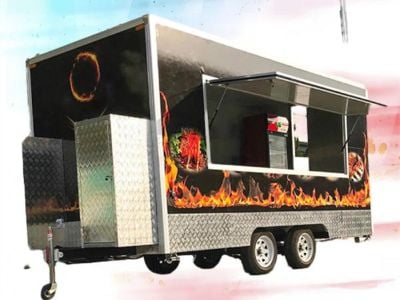
Reliable pickup campers designed for all-weather camping are essential for enthusiasts and professionals who require durable and functional outdoor solutions. These campers not only need to withstand various weather conditions but also provide comfort and utility for extended camping trips. This article will explore the critical design features of a reliable pickup camper, focusing on what buyers should consider when making their purchasing decisions. By understanding key specifications and installation guidelines, purchasing managers, distributors, and engineers can make informed choices that meet their specific camping needs.
Choosing the Right Design Features for All-Weather Pickup Campers
When selecting a pickup camper for all-weather camping, buyers should prioritize several key design features that enhance durability and usability. First and foremost, insulation is crucial; a camper with high-quality insulation will regulate temperature and protect against extreme weather conditions. Look for campers with insulated walls, ceilings, and floors, which can significantly improve energy efficiency and comfort.
Another important feature is the waterproofing and sealing of the camper. This includes checking the quality of weather seals around doors and windows, as well as the material used for the roof and exterior. A camper with a robust, waterproof structure prevents leaks and moisture intrusion, which can lead to mold and damage over time.
Additionally, consider the camper's weight and aerodynamics. A well-designed fiberglass pickup camper should minimize wind resistance to improve fuel efficiency while maintaining a lightweight structure for easy towing. Materials such as fiberglass or aluminum can offer strength without adding excessive weight.
Lastly, practical storage solutions are essential for maximizing space and organization. Look for campers equipped with multiple storage compartments and features like adjustable shelving, which can enhance the overall functionality during camping trips.
Key Specifications to Consider When Sourcing Pickup Campers
Buyers need to be aware of specific technical specifications when sourcing pickup campers. A few critical specifications include:
Dimensions: The length and width of the camper should match the vehicle's payload capacity and bed dimensions. Buyers should confirm that the camper will fit securely without compromising the vehicle's stability.
Material Specifications: Common materials used in camper construction include fiberglass, aluminum, and composite materials. Each has distinct advantages; for example, fiberglass is lightweight and resistant to corrosion, while aluminum offers strength and durability.
Weight Rating: The Gross Vehicle Weight Rating (GVWR) indicates the maximum weight a vehicle can safely carry, including the camper. Exceeding this limit can lead to handling difficulties and safety issues.
Load Capacity: This specification details how much weight the camper can safely carry, which is critical for ensuring adequate storage and equipment.
Sealing and Weather Resistance: Check for the camper's IP rating, which indicates its protection level against solid objects and moisture. A higher rating signifies better weather resistance, crucial for all-weather camping.
Understanding these specifications helps buyers evaluate camper options effectively and ensure compatibility with their vehicles and camping needs.
A Guide for Distributors
Distributors play a vital role in the supply chain for pickup campers. They should focus on several key aspects when evaluating potential products for their inventory. First, assess the manufacturer's reputation for quality and reliability. Understanding the company's production capabilities and quality control processes can help ensure that the campers meet industry standards.
Next, consider the customization options available from the manufacturer. Many buyers seek specific features tailored to their needs, such as unique layouts or additional storage solutions. A manufacturer like Shandong Trailblazer RV Camping, known for its advanced manufacturing technology, can offer a range of customization options that appeal to diverse customer preferences.
Additionally, distributors should be aware of lead times and minimum order quantities (MOQs). Establishing clear communication with manufacturers regarding these factors can help manage inventory effectively and meet customer demand.
Lastly, focus on after-sales support and warranty options. A manufacturer that provides comprehensive support and warranty coverage can enhance customer satisfaction and reduce potential returns.
Understanding the Cost Factors of Reliable Pickup Campers
The cost of pickup campers can vary significantly based on several factors. Buyers should consider the following cost determinants:
Material Quality: Higher-quality materials typically increase the overall price but also enhance durability and performance. Buyers should weigh the long-term benefits of investing in robust materials against initial costs.
Manufacturing Processes: Advanced manufacturing techniques, such as precision engineering and quality control measures, can impact production costs. Understanding these processes can help buyers justify the price based on the camper's reliability and lifespan.
Customization Features: Options such as additional storage, upgraded insulation, or specialized components can add to the base price. Buyers should evaluate which features are essential for their needs to avoid unnecessary expenditures.
Market Demand and Seasonal Factors: Pricing can fluctuate based on market demand, with prices potentially increasing during peak camping seasons. Buyers should plan their purchases accordingly to take advantage of better pricing.
Export Costs: For international buyers, understanding shipping and customs fees is crucial. These costs can significantly affect the final price and should be factored into budget considerations.
By considering these cost factors, buyers can make more informed decisions and optimize their investment in all-weather fiberglass pickup camper.
Installation Guidelines for All-Weather Pickup Campers Explained
Proper installation is essential to ensure the performance and longevity of all-weather pickup campers. Here are key installation guidelines to consider:
Secure Mounting: Ensure that the camper is securely mounted to the truck bed. Use appropriate mounting hardware and follow the manufacturer's guidelines to prevent movement during transit.
Weight Distribution: Properly distribute the weight within the camper to maintain vehicle stability. Overloading one side can affect handling and lead to safety issues.
Sealing and Weatherproofing: Pay close attention to the sealing of windows, doors, and roof joints. Use high-quality sealants to prevent moisture intrusion, which is critical for all-weather functionality.
Electrical Installation: If the camper includes electrical components, ensure that they are installed according to local regulations. This includes proper wiring and connections to avoid electrical failures.
Testing after Installation: After installation, conduct a thorough inspection and testing. Check for any leaks, electrical faults, or structural issues before taking the camper on its first trip. This ensures that any potential problems are identified and addressed early on.
Following these installation guidelines will help buyers maximize the performance and durability of their all-weather pickup campers, ensuring a reliable camping experience regardless of weather conditions.