 EN

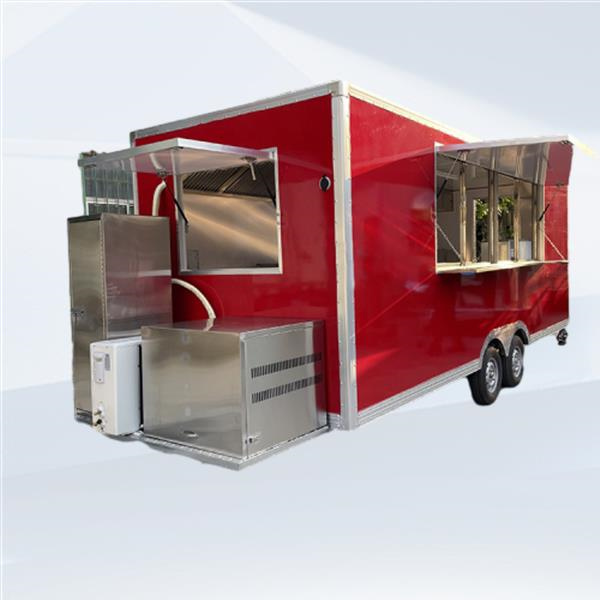
When considering the procurement of a custom food truck from a specialized manufacturer, understanding the true cost involved is crucial for making an informed decision. The true cost of sourcing a custom food truck extends beyond the initial purchase price; it encompasses various factors that can significantly impact the total investment. This article will address the key concerns of B2B buyers, such as specifications, quality control, and applications, providing insights that will help streamline the purchasing process.
Understanding the True Cost Factors of Custom Food Trucks
The true cost of sourcing a custom food truck involves several essential factors that potential buyers must consider. First, the base price of the food truck is only one part of the equation. Additional costs may include customization options, shipping fees, import duties, and compliance with local regulations.
Customization can significantly affect the price, as features such as kitchen layout, equipment specifications, and branding all require careful consideration. Buyers should evaluate their specific needs and budget accordingly, as the more specialized the requirements, the higher the cost may be. Furthermore, maintaining quality throughout the manufacturing process can lead to cost savings in the long run, making it vital to choose a manufacturer with a solid reputation for delivering high-quality products.
Lastly, potential buyers should account for ongoing operational costs, such as maintenance, fuel, and insurance, which can influence the total cost of ownership over time. Understanding these various factors will enable buyers to evaluate their options more effectively and make a well-informed decision.
Key Specifications to Evaluate When Sourcing Food Trucks
When sourcing a custom food truck, several key specifications must be evaluated to ensure the vehicle meets the intended operational requirements. These specifications include:
Dimensions: The size of the food truck is crucial, as it affects both the kitchen layout and maneuverability. Buyers should consider the dimensions based on local regulations and intended use whether for festivals, catering events, or permanent locations.
Material Selection: The materials used in constructing the mobile food truck significantly impact durability and maintenance. Stainless steel is often preferred for kitchen equipment due to its resistance to corrosion and ease of cleaning. Additionally, the insulation of the truck plays a role in energy efficiency and temperature control.
Equipment and Features: Buyers should assess the types of cooking appliances, refrigeration options, and storage solutions needed for their specific menu offerings. The layout should facilitate efficient workflow to enhance service speed and customer satisfaction.
Power Source: Determining the appropriate power source whether propane, electric, or generator is essential, as it affects operational costs and food preparation capabilities. Ensure that the chosen model meets all regulatory requirements for safety.
By thoroughly evaluating these specifications, buyers can ensure that the custom food truck will not only meet their immediate needs but also support their business goals effectively.
What to Consider for Quality Control in Food Truck Manufacturing
Quality control is a critical aspect of food truck manufacturing that directly impacts the longevity and reliability of the vehicle. Buyers should consider several key factors to ensure that the manufacturer adheres to stringent quality standards:
Manufacturing Process: Understanding the manufacturing process used by the supplier is essential. A reputable manufacturer, like Shandong Trailblazer RV Camping, will employ advanced technologies and skilled labor to ensure that every aspect of the food truck is built to high standards.
Material Quality: The quality of materials used in production plays a significant role in the final product's durability. Buyers should confirm that the manufacturer uses high-grade materials that comply with relevant industry standards.
Testing Procedures: Before delivery, a thorough quality inspection should be conducted. This includes testing the food truck cart under actual operating conditions to identify any potential issues with performance or safety.
Certifications: Verify that the manufacturer possesses the necessary certifications that reflect adherence to international quality standards. This not only ensures product reliability but also provides peace of mind for the buyer.
By prioritizing these quality control measures, buyers can mitigate risks associated with poor craftsmanship and ensure that their investment will stand the test of time.
Where to Compare Custom Food Truck Options for Bulk Orders
When sourcing custom food trucks for bulk orders, it’s crucial to compare multiple options to find the best fit for your business needs. Here are some effective strategies for conducting this comparison:
Supplier Directories: Utilize online supplier directories that specialize in food trucks and commercial vehicles. These platforms often feature reviews and ratings, helping buyers assess the reputation of each manufacturer.
Trade Shows and Expos: Attending industry trade shows provides an opportunity to see various food truck models in person and speak directly with manufacturers. This face-to-face interaction allows buyers to ask specific questions regarding customization options and pricing.
Requesting Proposals: Once potential suppliers have been identified, buyers should request detailed proposals that outline specifications, pricing, lead times, and customization options. This enables a side-by-side comparison of what each manufacturer offers.
References and Case Studies: Ask potential suppliers for references or case studies from previous clients. This can provide insights into the supplier’s reliability, customer service, and product quality.
By following these steps, buyers can make a more informed decision when selecting a manufacturer for bulk orders of custom food trucks.
Exploring Applications of Custom Food Trucks in Various Industries
Custom food truck electric serve a diverse range of applications across multiple industries, making them a versatile investment for businesses. Here are some common industries that leverage food trucks effectively:
Catering and Events: Food trucks are increasingly popular at weddings, corporate events, and festivals. They offer convenience and a unique dining experience, allowing caterers to serve fresh meals on-site without the constraints of a traditional restaurant.
Mobile Retail: Beyond food service, custom food trucks can be adapted for retail purposes, offering products such as gourmet snacks, beverages, or merchandise. This flexibility allows businesses to target various markets and reach customers in different locations.
Corporate Promotions: Companies often use food trucks for promotional events, providing free samples or unique menu items to attract customers. This strategy enhances brand visibility and engagement.
Community Outreach: Nonprofits and community organizations can utilize food trucks for outreach programs, providing meals to underserved populations while raising awareness for their causes.
By understanding the various applications of custom food trucks, businesses can better assess how this investment aligns with their operational goals and market strategies.
By addressing these critical aspects of sourcing custom food trucks, potential buyers can navigate the complexities of the purchasing process with greater confidence. Understanding the true costs, evaluating specifications, prioritizing quality control, and recognizing diverse applications are all vital steps toward making an informed decision that aligns with both operational needs and business objectives.
Table of Contents
- Understanding the True Cost Factors of Custom Food Trucks
- Key Specifications to Evaluate When Sourcing Food Trucks
- What to Consider for Quality Control in Food Truck Manufacturing
- Where to Compare Custom Food Truck Options for Bulk Orders
- Exploring Applications of Custom Food Trucks in Various Industries