 EN
EN

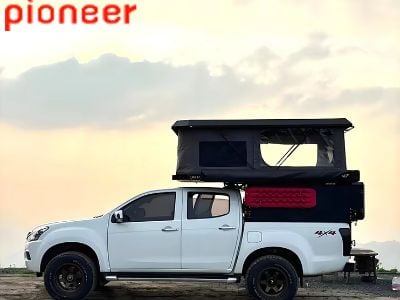
A direct factory partnership is essential for sourcing premium pickup campers, offering buyers greater control over quality, customization, and cost. Understanding the dynamics of this relationship can alleviate common concerns related to supplier reliability and product specifications. This article will guide purchasing managers, distributors, and engineers through the key factors to consider when establishing a direct factory partnership for sourcing pickup campers, highlighting practical insights from the manufacturing side.
Choosing a Reliable Supplier for Premium Pickup Campers
Selecting a dependable supplier is crucial for ensuring the quality and performance of pickup campers. A reliable manufacturer should possess a strong track record in the industry, characterized by positive client testimonials, certifications, and a transparent production process. It's advisable to assess the supplier's experience in producing campers, particularly in terms of design capabilities and production volume.
In addition to experience, consider the supplier's technical expertise. They should be able to recommend suitable materials based on the camper's intended use, whether for recreational or commercial applications. For instance, aluminum and fiberglass are popular choices due to their lightweight and durable properties. Moreover, suppliers should be open to customization small pickup campers requests, allowing you to tailor features based on specific user needs.
Finally, ensure the supplier can provide quality assurance through comprehensive testing and inspection processes. This includes evaluating raw materials, monitoring production quality, and offering post-production support. A factory that prioritizes rigorous quality control can significantly reduce the risk of defects and failures in the final product.
Key Specifications to Evaluate When Sourcing Pickup Campers
When sourcing premium pickup campers, certain specifications warrant careful evaluation to ensure the product meets operational requirements. Key specifications include:
Dimensions and Weight: These impact compatibility with different pickup trucks. Ensure the camper fits the vehicle’s payload capacity and dimensions for safe towing.
Material Composition: Assess the materials used in construction. High-quality campers often employ lightweight yet strong materials, such as reinforced fiberglass or aluminum, which enhance fuel efficiency and durability.
Insulation and Sealing: Proper insulation affects temperature control and moisture resistance. Check the camper's R-value, which indicates its thermal resistance. Additionally, effective sealing prevents water ingress, a critical factor for maintaining interior integrity.
Interior Layout and Features: The camper's design should be practical, offering essential amenities like sleeping areas, kitchen setups, and storage. Evaluate the layout for functionality and comfort based on intended use.
Safety Features: Look for features such as emergency exits, smoke detectors, and integrated safety systems to ensure user protection during operation.
By confirming these specifications, buyers can avoid costly mistakes related to compatibility and performance during usage.
Where to Find Trusted Wholesale Sources for Pickup Campers?
Finding reliable wholesale sources for pickup campers requires thorough research. Start by exploring trade shows and industry exhibitions where manufacturers showcase their latest products. These events provide opportunities to interact directly with suppliers, assess product quality, and negotiate terms.
Additionally, leverage online B2B marketplaces that specialize in industrial products. Platforms like Alibaba and Global Sources feature numerous manufacturers, complete with reviews and ratings from previous buyers. However, it is crucial to verify the legitimacy of these suppliers by checking their credentials and requesting sample products before placing bulk orders. Networking within industry pickup camper associations can also yield valuable connections. Many associations provide directories of reputable manufacturers, ensuring you can source from established companies with solid reputations in the market. Finally, consider engaging a sourcing agent. These professionals possess local market knowledge and can help navigate supplier relationships, negotiate pricing, and ensure product quality meets your specifications.
Making the Most of Your Pickup Camper Purchase
To maximize the value of your pickup camper purchase, it's essential to approach it strategically. Begin by compiling a detailed list of your requirements, including specifications, intended use, and budget constraints. This will streamline discussions with potential suppliers and ensure you receive accurate quotes.
When evaluating quotes, consider not just the price but also the total cost of ownership. This includes shipping, import taxes, and potential modifications needed post-arrival. Be transparent about your needs, as this can lead to better pricing and more tailored solutions.
Before finalizing any purchase, request a prototype or sample. This step allows you to assess the camper's quality in real-world conditions and provides an opportunity for adjustments if necessary. Additionally, establishing clear communication with the supplier regarding delivery timelines and warranty terms will help set expectations and foster a strong partnership.
Common Problems When Sourcing Pickup Campers and Their Solutions
Sourcing pickup campers can present various challenges that buyers should be prepared to address. Common issues include:
Quality Discrepancies: Differences in product quality can arise between samples and mass production. To mitigate this risk, insist on a thorough quality inspection process and conduct pre-production meetings to align expectations.
Long Lead Times: Delays in production or shipping can disrupt your plans. To counter this, maintain open communication with your supplier about lead times and consider placing orders well in advance, especially for peak seasons.
Inadequate Customization Options: Not all suppliers offer the flexibility needed for specific designs or features. Before committing, verify the manufacturer's customization capabilities and discuss any unique requirements.
Compliance and Regulatory Issues: Different regions have varying regulations regarding vehicle safety and emissions. Ensure that your supplier is knowledgeable about compliance requirements in your target market and that the campers meet these standards.
By anticipating these challenges and establishing proactive strategies, buyers can enhance their sourcing experience and secure high-quality pickup camper bed tailored to their needs.