 EN

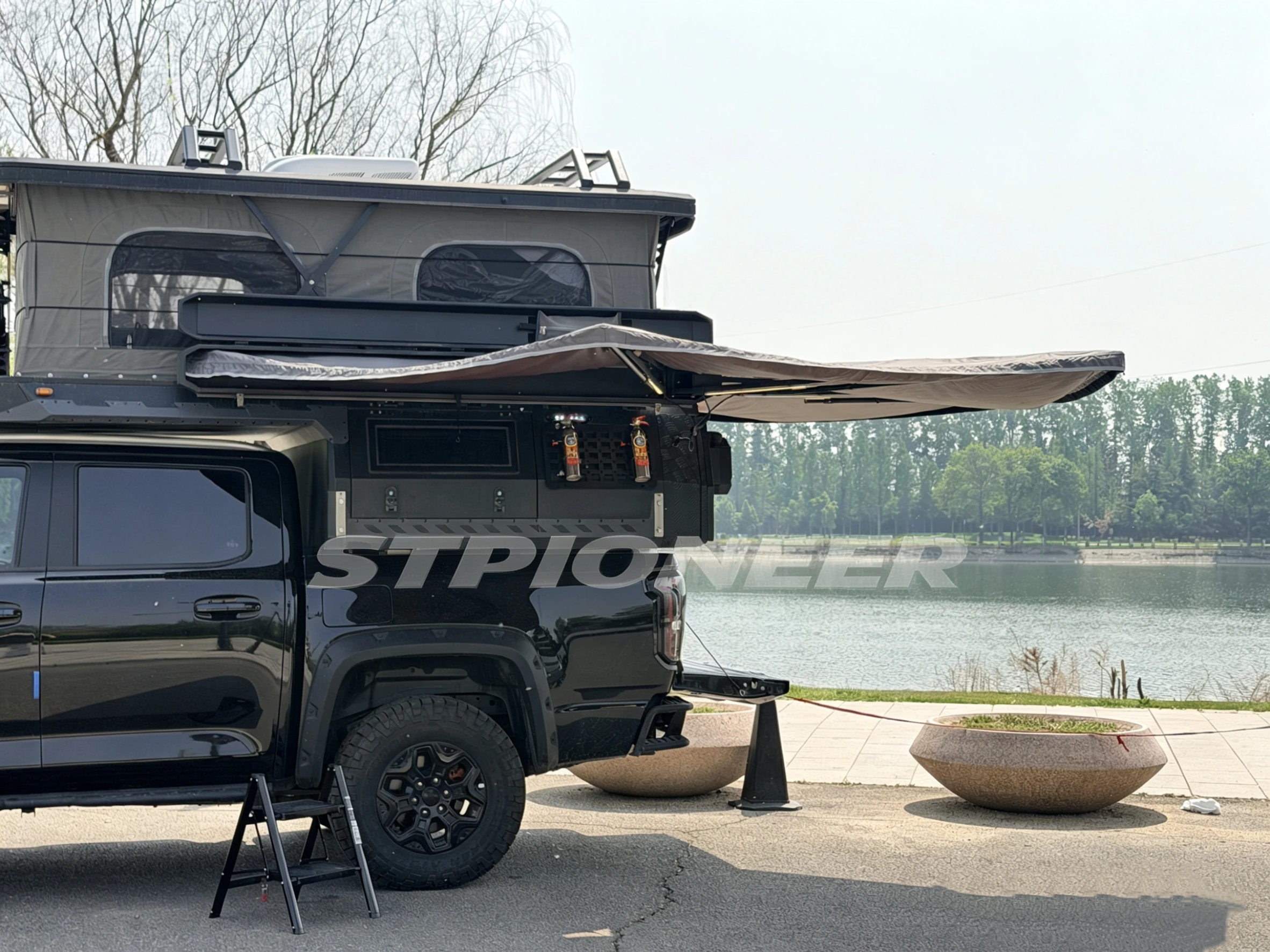
Lightweighting a pickup camper while keeping wall rigidity for cold climate campgrounds is essential for manufacturers looking to improve performance and efficiency. Buyers, including purchasing managers and engineers, often face the challenge of balancing weight reduction with structural integrity, especially in harsh environments. This article will delve into effective lightweight techniques, sourcing suppliers, installation tips, material comparisons, and common challenges to help you make informed purchasing decisions.
Understanding Lightweighting Techniques for Pickup Camper Wall Rigidity
Lightweighting is the process of reducing the weight of a vehicle while maintaining its structural integrity. For pickup camper, this is particularly important as it affects not only fuel efficiency but also overall performance in cold climates. There are several techniques to achieve this balance:
Material Selection: Opting for high-strength lightweight materials is crucial. For instance, aluminum and composite materials can significantly reduce weight without compromising strength. Advanced composites, such as fiberglass or carbon fiber, offer excellent rigidity and thermal insulation, which is vital for cold weather.
Structural Design Optimization: Utilizing computer-aided design (CAD) tools allows manufacturers to optimize the camper’s structure. By analyzing stress points and using finite element analysis (FEA), you can design walls that are both lightweight and rigid.
Thin-Wall Construction: Implementing thin-wall techniques can reduce weight while maintaining strength. This method involves using thinner materials that are reinforced in critical areas, ensuring that the overall integrity of the camper is preserved.
Modular Components: Designing the camper with modular components can allow for selective lightweight. For example, using interchangeable panels made from different materials can help in adjusting the weight according to specific needs.
By strategically applying these techniques, manufacturers can create pickup campers that are not only lighter but also capable of withstanding the rigors of cold weather camping.
Where to Source Reliable Suppliers for Lightweight Pickup Campers
Sourcing reliable suppliers for lightweight pickup campers requires careful evaluation of potential manufacturers. Here are a few steps to help identify the right partners:
Industry Research: Conduct thorough research to identify manufacturers specializing in lightweight materials and structures. Look for companies with a proven track record in RV manufacturing and cold climate applications.
Supplier Certifications: Verify whether potential suppliers have relevant certifications, such as ISO 9001 for quality management systems, which indicate their commitment to maintaining high production standards.
Material Expertise: Choose suppliers who demonstrate expertise in advanced materials. They should provide detailed specifications and technical data sheets for their products, allowing you to assess suitability for specific applications.
Reputation and References: Check reviews and ask for references from existing customers. A supplier with a strong reputation in the industry is likely to provide the quality and reliability you need.
Customization Capabilities: Ensure that the supplier can accommodate your customization requirements. This flexibility can be crucial for producing campers tailored to specific market needs or performance characteristics.
By focusing on these areas, you can establish partnerships with suppliers that enhance your product offerings while ensuring quality and performance.
Installation Tips for Maintaining Wall Rigidity in Campers
Proper installation is critical to maintaining the wall rigidity of lightweight pickup tent camper. Here are some practical tips to ensure optimal performance:
Use of Adhesives and Sealants: In addition to mechanical fasteners, using high-quality adhesives can significantly enhance the bonding of wall panels, reducing stress concentrations and improving overall rigidity. Ensure that the selected adhesive is suitable for the materials being bonded.
Reinforcement Techniques: Incorporating reinforcements at critical junctions such as corners and seams can provide additional support. Consider using aluminum extrusions or composite reinforcements where necessary.
Regular Inspection: Implement a routine inspection process post-installation to identify and address any potential weaknesses. Look for signs of delamination or stress fractures, especially in high-load areas.
Thermal Considerations: Be mindful of the thermal expansion properties of different materials. Ensure that installation methods account for these differences to prevent warping or buckling in extreme temperatures.
By adhering to these installation tips, manufacturers can ensure that their lightweight campers maintain the necessary rigidity for durability in cold climates.
Comparing Performance of Lightweight Materials for Cold Conditions
When selecting materials for lightweight pickup campers, it’s essential to compare the performance of various options, especially in cold conditions. Here’s a breakdown of commonly used materials:
Aluminum: Lightweight and resistant to corrosion, aluminum is often used for frames and structural components. Its excellent strength-to-weight ratio makes it ideal for cold climates, where it can maintain integrity under stress.
Fiberglass Reinforced Plastics (FRP): FRP offers good thermal insulation and resistance to moisture, making it suitable for cold weather. It can be molded into complex shapes, providing design flexibility, but its weight may be higher than aluminum.
Carbon Fiber Composites: While typically more expensive, carbon fiber composites deliver outstanding strength and rigidity at minimal weight. They are particularly advantageous for high-performance applications where weight savings directly impact efficiency.
Polymer Composites: These materials can provide good thermal insulation and are often lighter than traditional materials. They can also be engineered for specific performance characteristics, making them versatile for various applications.
each material presents unique advantages and trade-offs. The final selection should consider factors such as cost, weight savings, thermal properties, and expected performance in cold conditions.
Common Problems in Lightweight Pickup Campers and Their Solutions
Despite the advantages of lightweight pickup trailer camper, several common problems can arise during their use. Understanding these issues and their solutions can enhance product reliability:
Structural Weakness: Lightweight structures may be more susceptible to damage from impacts. To mitigate this, ensure that design incorporates adequate reinforcement in vulnerable areas and choose materials with high impact resistance.
Thermal Insulation Failures: In colder climates, inadequate insulation can lead to condensation or heat loss. Using high-quality insulating materials and ensuring proper sealing during assembly can significantly improve thermal performance.
Delamination Issues: In some cases, lightweight materials might experience delamination, especially at seams. Employing high-quality adhesives and ensuring proper curing times during installation can prevent this issue.
Moisture Penetration: Lightweight campers can be prone to moisture absorption, leading to mold and structural degradation. Utilizing moisture-resistant materials and ensuring effective sealing of joints can help protect against this problem.
By proactively addressing these common challenges, manufacturers can enhance the durability and functionality of lightweight pickup campers, ensuring they meet the needs of customers in cold climates effectively.
Table of Contents
- Understanding Lightweighting Techniques for Pickup Camper Wall Rigidity
- Where to Source Reliable Suppliers for Lightweight Pickup Campers
- Installation Tips for Maintaining Wall Rigidity in Campers
- Comparing Performance of Lightweight Materials for Cold Conditions
- Common Problems in Lightweight Pickup Campers and Their Solutions