 EN

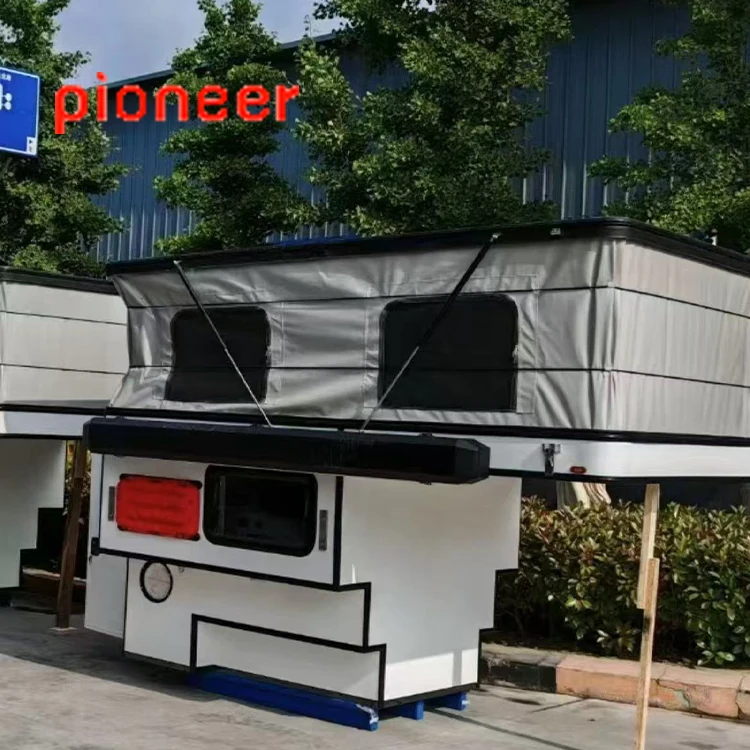
Reliable rain and electrical testing before crating is essential for ensuring that your all-weather pickup camper meets durability and safety standards. This testing process addresses the primary concerns of B2B buyers, including quality assurance, product reliability, and compliance with industry specifications. We will explore what to look for in reliable testing standards, quality control measures, common issues faced by all-weather pickup campers, their applications across various industries, and how to find trusted suppliers.
What to Look for in Reliable Rain and Electrical Testing Standards
When evaluating pickup camper, buyers should prioritize specific testing standards that ensure both rain resistance and electrical safety. Look for compliance with industry-specific regulations such as ASTM, ISO, or EN standards that dictate performance criteria for waterproofing and electrical systems.
Rain Testing Standards: Effective rain testing should include simulations of heavy rainfall to assess the camper's ability to prevent water ingress. A reliable standard will specify the expected water pressure and duration, ensuring that all seams, joints, and materials are evaluated for leakage.
Electrical Testing Standards: For electrical systems, it’s crucial to verify that the wiring, connections, and components are tested for moisture resistance and insulation integrity. This includes checking the camper's electrical systems under various environmental conditions to confirm they can withstand high humidity and wet environments without failure.
Buyers should request documentation of testing procedures and results, ensuring that the standards used are recognized within the industry and that the camper has successfully passed all relevant tests.
Quality Control Measures for Rain and Electrical Testing Explained
Quality control (QC) measures play a pivotal role in ensuring that all-weather pickup campers are safe and reliable. A comprehensive QC process includes both in-process inspections during manufacturing and final inspections before shipping.
In-Process Inspections: Throughout the manufacturing process, regular inspections should occur at critical stages. For rain testing, this includes checks on material integrity, seam sealing, and assembly techniques. For electrical systems, QC should involve testing components and wiring before final assembly to identify any faults early.
Final Inspections: Before crating, a thorough final inspection should include both rain and electrical testing. This step verifies that the camper meets all specifications and safety standards. Buyers should confirm that the manufacturer conducts these tests consistently and retains the results for review.
Implementing these quality control measures not only assures the buyer of the product's reliability but also builds trust in the manufacturer’s commitment to quality.
Common Problems in All Weather Pickup Campers and Their Solutions
Despite rigorous testing and quality control, some common issues can arise in all-weather pickup RV trailer. Understanding these problems and their solutions can help buyers make informed decisions.
Water Ingress: One of the primary concerns is water ingress, which may occur due to poor sealing or inadequate rain testing. To mitigate this, buyers should ensure that the manufacturer uses high-quality sealants and conducts thorough seam inspections.
Electrical Failures: Moisture intrusion can lead to electrical failures, posing safety risks. Buyers are encouraged to verify that all electrical components are rated for outdoor use and protected against moisture. Regular maintenance checks and inspections of wiring can help prevent these issues.
Material Degradation: Prolonged exposure to the elements can cause materials to degrade. Buyers should inquire about the materials used in the camper construction and their resistance to UV and moisture. Using durable, weather-resistant materials will extend the life of the camper significantly.
By understanding these challenges and their solutions, buyers can better assess the reliability of the campers they are considering.
Applications of All Weather Pickup Campers for Diverse Industries
All-weather pickup campers have versatile applications across various industries, making them a valuable asset for many businesses.
Recreational Use: For camping and outdoor adventures, these campers offer a comfortable and reliable shelter, allowing users to experience nature without compromising on safety or comfort.
Commercial Use: In industries such as emergency services, construction, and outdoor events, all-weather campers serve as mobile command centers or temporary lodging solutions. Their robust construction enables them to withstand harsh environmental conditions while providing essential services.
Remote Work Sites: In sectors like oil and gas, where work sites are often remote, these campers provide necessary accommodations for workers, ensuring they have a safe place to rest amid challenging conditions.
By understanding the various applications, buyers can better align their purchasing decisions with their specific operational needs.
Where to Find Trusted Suppliers for Quality Pickup Campers Online
Finding reputable suppliers for all-weather pickup trailer camper involves careful research and consideration. Here are some steps to guide buyers:
Industry Directories: Utilize online industry directories and trade associations to identify manufacturers with a proven track record. This can include checking for certifications and memberships that reflect industry standards.
Supplier Reviews and Testimonials: Look for customer reviews and testimonials on supplier websites and third-party review platforms. Feedback from previous buyers can provide insights into product quality and customer service.
Requesting Quotes: When reaching out to potential suppliers, provide detailed specifications about your needs, including dimensions, materials, and intended use. This will help suppliers provide accurate quotes and demonstrate their understanding of your requirements.
Sample Requests: Before making a large order, consider requesting samples. Inspecting a sample allows buyers to verify quality and performance firsthand, ensuring it meets expectations.
By following these steps, buyers can establish relationships with trusted suppliers and make informed purchasing decisions for their all-weather pickup campers.
Table of Contents
- What to Look for in Reliable Rain and Electrical Testing Standards
- Quality Control Measures for Rain and Electrical Testing Explained
- Common Problems in All Weather Pickup Campers and Their Solutions
- Applications of All Weather Pickup Campers for Diverse Industries
- Where to Find Trusted Suppliers for Quality Pickup Campers Online