 EN

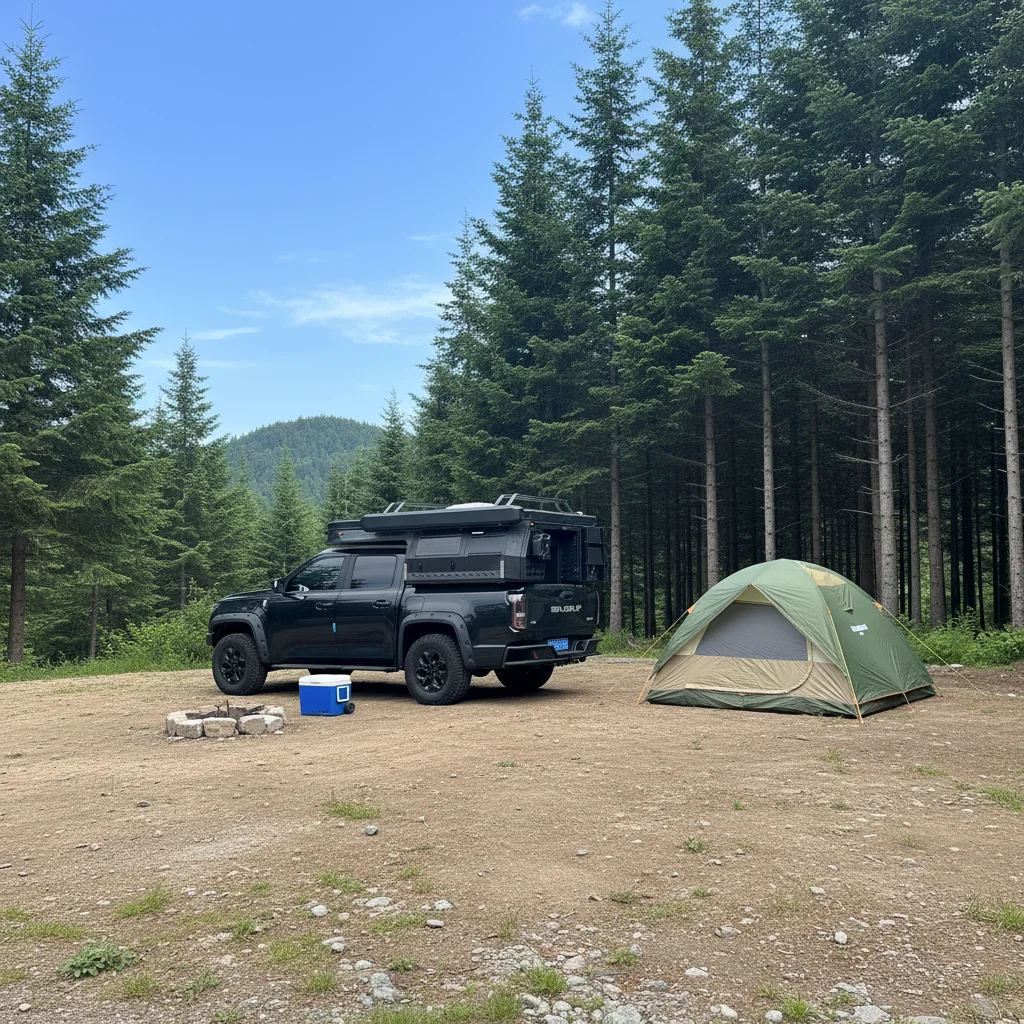
Matching a Slide-In RV to a Half Ton Pickup Before the First Australian Overland Season requires careful consideration to ensure compatibility, performance, and safety. Buyers need to evaluate their vehicle's specifications, the RV's weight and dimensions, as well as installation requirements. This article aims to guide purchasing managers, engineers, and product managers through the essential aspects of selecting the right slide-in RV, ensuring a seamless integration for overland adventures.
How to Choose the Right Slide-In RV for Your Half Ton Pickup
When selecting a slide-in RV for a half-ton pickup, the first critical factor is the vehicle's payload capacity. This measurement dictates how much weight the truck can safely carry, including the RV itself. Generally, a half-ton pickup can handle RVs weighing between 1,500 to 2,500 pounds, depending on the model and configuration.
In addition to weight, consider the RVs dimensions. The RV should fit snugly in the truck bed, allowing for secure transport without overhang that could affect stability. Buyers should also assess the RV’s height and width to ensure it meets legal road regulations and fits within the pickup's capabilities.
Lastly, consider the intended use. If the RV is meant for extended off-road travel, features like reinforced framing, off-road suspension, and durable materials become crucial for performance in rugged conditions.
Evaluating Quality Standards for Slide-In RVs Before Purchase
Quality is paramount when investing in a slide-in RV. Buyers should look for RVs manufactured under stringent quality control processes. At Shandong Trailblazer RV Camping, for example, advanced manufacturing technologies and skilled craftsmanship are employed to ensure that each unit meets high quality standards.
When evaluating RV quality, check for certifications or industry standards that the RV complies with, such as ISO certification or other relevant safety standards. Inspect the materials used in the construction; high-quality RVs utilize robust materials like aluminum or fiberglass for the exterior, which offer durability and weather resistance.
Moreover, understanding the RV's warranty and after-sales support can provide additional assurance of quality. A reputable manufacturer will offer comprehensive warranties and responsive customer service, enabling buyers to address any concerns post-purchase.
Installation Guidance for Slide-In RVs on Half Ton Pickup Trucks
Proper installation of a slide-in RV trailer is essential for safety and functionality. Typically, the installation process involves positioning the RV in the truck bed and securing it with tie-downs or clamps specifically designed for this purpose.
Before installation, ensure that the truck bed is clean and free of debris. Utilize rubber or foam pads between the RV and the truck bed to protect the vehicle's surface and reduce vibrations during travel. It’s also advisable to check if the truck has a bed liner, as this can improve stability.
Buyers should consult the RV's installation manual for specific recommendations, including the necessary tools and techniques. If unsure, professional installation services can be sourced to ensure optimal safety and performance.
Common Problems with Slide-In RVs and Practical Solutions
Buyers should be aware of common issues that can arise with slide-in RVs. One frequent problem is weight distribution. If the RV is too heavy for the pickup, it can lead to handling issues, including swaying or poor braking performance. To mitigate this, ensure that the RV’s weight is within the truck’s payload capacity and consider installing air suspension to improve stability.
Another common concern is water leakage, which can lead to mold and structural damage. Regularly inspect seals, windows, and roof seams for wear and tear. Applying a high-quality sealant can help maintain integrity.
Lastly, buyers should be prepared for maintenance challenges, such as battery management and appliance functionality. Regular checks on the RV's systems and components can prevent breakdowns during trips. Establishing a maintenance schedule can help ensure the RV remains in good working condition.
Exploring Application Scenarios for Slide-In RVs in Overland Adventures
Slide-in RVs are versatile for a range of overland adventures. They are particularly well-suited for off-road camping, where their compact size allows for easy maneuverability in tight spaces. For example, a slide-in RV can be a perfect base for trips to national parks or remote areas where traditional camping setups may not be feasible.
Additionally, these RVs can serve multiple functions acting as both living quarters and storage for gear. This dual-purpose functionality is invaluable for adventurers who need to transport equipment like bikes, kayaks, or fishing gear.
In Australia, where diverse terrains range from coastal regions to outback areas, the adaptability of a slide-in RV makes it an excellent choice for travelers seeking an immersive experience in nature. Buyers should consider their specific adventure plans when choosing features like solar power systems, additional storage solutions, or off-grid capabilities to enhance their overland experience.
By understanding the key factors involved in matching a slide in pop up camper RV to a half-ton pickup, buyers can make informed decisions that enhance their overland adventures while ensuring safety and performance.
Table of Contents
- How to Choose the Right Slide-In RV for Your Half Ton Pickup
- Evaluating Quality Standards for Slide-In RVs Before Purchase
- Installation Guidance for Slide-In RVs on Half Ton Pickup Trucks
- Common Problems with Slide-In RVs and Practical Solutions
- Exploring Application Scenarios for Slide-In RVs in Overland Adventures