 EN

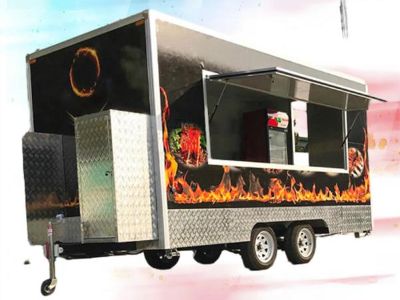
FRP and aluminum sandwich composite panels offer an innovative solution to ensuring that pickup campers remain rigid during ocean freight. These panels provide the necessary strength and durability to withstand the rigors of shipping while maintaining lightweight properties. For B2B buyers in the RV manufacturing and transportation sectors, understanding the right specifications, installation processes, and potential challenges is crucial. This article will cover what to look for in sandwich panels, pricing considerations for bulk orders, installation guidance, common shipping issues, and applications in the RV manufacturing industry.
What to Look for in Sandwich Panels?
When selecting FRP and aluminum sandwich composite panels for pickup campers, several specifications should be prioritized to ensure performance and durability. Key factors include:
Material Composition: FRP (Fiber Reinforced Plastic) offers excellent corrosion resistance and lightweight properties, while aluminum provides structural integrity and additional strength. The combination of these materials results in a panel that is both lightweight and strong, making it suitable for various applications.
Panel Thickness: The thickness of the panels should be evaluated based on the specific loading conditions and expected stress during transportation. Thicker panels can provide additional rigidity but may add weight, which can affect fuel efficiency during transport.
Core Material: The core material of the sandwich panel can vary (foam, honeycomb), impacting insulation properties and overall weight. Buyers should consider the core material based on the thermal and acoustic insulation needs of their campers.
Sealing and Finishing: Proper sealing is critical to prevent moisture ingress, especially in marine environments. Ensure that the panels come with high-quality finishes that can withstand exposure to saltwater and UV rays.
Manufacturing Quality: Look for panels produced under stringent quality control processes to ensure consistency and performance. Certifications related to manufacturing standards can also be an indicator of quality.
Understanding Pricing for Bulk Orders of Composite Panels
Pricing for bulk orders of FRP and aluminum sandwich composite panels can vary significantly based on several factors:
Quantity: Larger orders typically benefit from economies of scale, resulting in lower per-unit costs. It's advisable to discuss minimum order quantities (MOQ) with suppliers to understand pricing structures.
Customization: Custom-sized panels or specific finishes may incur additional costs. Clearly defining your requirements will help in obtaining accurate quotes.
Material Costs: Fluctuations in the prices of raw materials can directly affect the pricing of composite panels. Buyers should stay informed about market trends.
Shipping and Logistics: Freight costs can be substantial, especially for international shipments. Understanding the logistics involved, including potential tariffs and duties, is essential for calculating the total cost.
Lead Time: Rush orders may come at a premium. Planning ahead and discussing lead times with manufacturers can help mitigate additional costs.
Installation Guidance for FRP and Aluminum Composite in Campers
Proper installation of FRP and aluminum sandwich composite panels is vital for ensuring the structural integrity and longevity of pickup campers. Here are some key installation considerations:
Surface Preparation: Ensure that the surfaces where the panels will be installed are clean, dry, and free of contaminants. This step is crucial for achieving a strong bond with adhesives.
Adhesive Selection: Choose an adhesive that is compatible with both FRP and aluminum materials. The adhesive should also be suited for the environmental conditions the camper will face, including temperature fluctuations and humidity.
Fastening Techniques: In addition to adhesives, mechanical fasteners may be necessary for added security. Ensure that the fasteners are made of materials that won’t corrode over time, especially in marine environments.
Thermal Expansion Considerations: Both FRP and aluminum expand and contract with temperature changes. Install panels with appropriate gaps to accommodate this movement and prevent stress fractures.
Quality Checks: Conduct inspections during the installation process to ensure that panels are aligned correctly and securely fastened. Any discrepancies should be addressed immediately to avoid future issues.
Common Problems with Pickup Campers During Shipping and Their Solutions
Shipping pickup campers can present several challenges. Common problems include:
Structural Damage: Without adequate support during shipping, campers may experience structural damage. Using FRP and aluminum sandwich composite panels can help mitigate this risk due to their rigidity and strength.
Moisture Ingress: Water damage can occur if panels are not properly sealed. Ensuring that all seams and joints are adequately sealed before shipment can prevent moisture-related issues.
Weight Distribution Issues: Improper weight distribution can lead to instability during transport. It’s important to ensure that the small pickup campers weight is evenly distributed to avoid shifting and damage.
Environmental Damage: Exposure to saltwater and UV radiation can degrade materials over time. Using high-quality, weather-resistant composite panels can provide better protection against these environmental factors.
Inspection Delays: Delays in inspections can lead to extended shipping times. Preparing all necessary documentation and ensuring compliance with shipping regulations can help expedite the process.
Applications of Sandwich Composite Panels in the RV Manufacturing Industry
FRP and aluminum sandwich composite panels have diverse applications within the RV manufacturing industry, including:
Exterior Walls: Their lightweight yet strong properties make these panels ideal for exterior walls, providing insulation and structural integrity.
Roofing Systems: The panels can be used in roofing applications, offering weather resistance and durability against the elements.
Interior Components: They are also suitable for interior applications, such as cabinetry and partitions, where weight savings are beneficial.
Custom Solutions: Manufacturers can customize these panels for specific applications, such as food trucks or integrated houses, ensuring they meet unique requirements.
Energy Efficiency: By providing excellent insulation, these panels contribute to the overall energy efficiency of RVs, making them attractive to environmentally conscious consumers.
By understanding the specifications, pricing, installation, potential shipping issues, and applications of FRP and aluminum sandwich composite panels, B2B buyers can make informed decisions that enhance the durability and performance of their fiberglass pickup camper during ocean freight.
Table of Contents
- What to Look for in Sandwich Panels?
- Understanding Pricing for Bulk Orders of Composite Panels
- Installation Guidance for FRP and Aluminum Composite in Campers
- Common Problems with Pickup Campers During Shipping and Their Solutions
- Applications of Sandwich Composite Panels in the RV Manufacturing Industry