 EN
EN

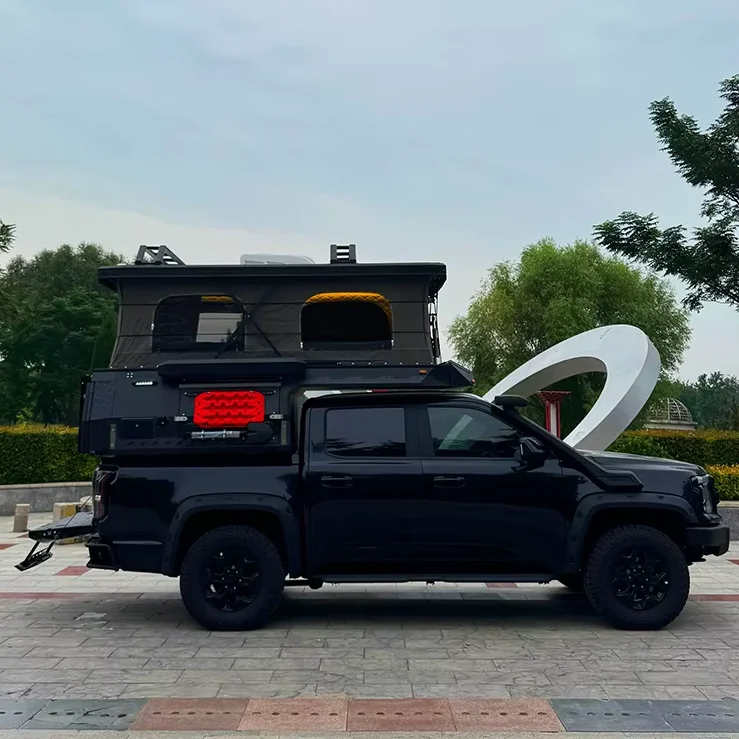
The challenge of constructing a lightweight pickup camper in just one weekend may sound difficult, but with the right blueprint and basic knowledge it’s not that hard. We know how to help you build a camper that won’t break your truck’s back but will keep you safe and comfortable. The trick is to choose the right materials and take smart building steps. The great thing about splitting everything into baby steps is that even with little experience, the whole process becomes a lot simpler. You need a camper that is light enough to haul your stuff without dragging you down, but also durable enough to last through your adventures. Let’s consider how to go about it, particularly if you are buying in bulk or unsure the best materials to use.
How to Construct a Light-Weight Pickup Camper for Wholesale Buyers
For wholesale customers, constructing lightweight pickup campers is about a balance of cost, speed and quality. You need something quick to produce and mass to sell. At Pioneer we look at designs that can be built quickly over a weekend, and using materials to keep the weight down. A bit of clever design is to work with pre-cut panels and easy-to-assemble frames. It saves time, which is important when you are building a lot of campers. Whenever you’ve got an entire kit to work with, it’s easier to fewer mistakes and get it done faster, he says. Wholesale buyers also need campers that properly fit various pickup trucks, so some adjustable parts are a plus. For instance, slide rails and modular walls permit accommodating various truck sizes. Remember, lightweight equals cheaper on shipping and easier handling in your warehouse. Creating with materials that don’t warp or break easily will also reduce the number of returns or repairs for you to take care of over time. Pioneer’s experience demonstrates that it can be a case of less is more: One with the most elementary design and strongest, lightest components wins. It's easy to want to add fancy features, but staying with the basics makes it a more affordable camper and easier for your customers. Also ensure the camper’s weight is evenly distributed. On the road, if one side is heavier, it can be dangerous. It’s smart to use lightweight insulation, and thin but sturdy wall panels. Ultimately, however, wholesale buyers are looking for campers that can be stripped together quickly and cheaply and stand up to many uses. Graft for now does the same by way of smart materials and clever design that just work.
What Are The Optimal Materials To Use For A Lightweight Pick Up Camper?
Selecting the appropriate materials is one of the most crucial practices for constructing a lightweight camper. A “lot of it looks good and is great, but maybe creates too much weight or adds a little bit of other complications,” Mr. Jauhiainen said at Pioneer, we learned that some materials make it look good but are heavy, and others that are very light but are so weak they can’t do what you want them to do.” Wood feels, warm and is easy to cut, but heavy woods such as oak or maple are not ideal for weight. Instead, plywood or a lighter wood like cedar is more effective, since they provide strength without adding much bulk. Metal is tough, but it gets heavy fast. Aluminum is to the point here it’s light, doesn’t rust and has enough strength to be used for camper frames. The camper is kept stable and relatively lightweight with an aluminum-tubing frame. In the camper, foam board insulation is great because it is light and will keep the temperature steady. Fiberglass is another choice but tricky to work with. Thus, for the walls and roof, it’s thin but strong panels of such composite materials or rolled aluminum that offer great protection without the tonnage. Not to mention the screws and fasteners steel ones are strong, but heavy; so if you’re worried about weight, stainless-steel or aluminum fasteners make sense. You’ll want a sturdy surface that is lightweight. Some colleagues opt for vinyl or laminate over plywood as they are easy to clean and less weight. And don’t forget windows and doors using acrylic instead of glass saves weight but allows light to enter. And for this reason, some builders experiment with plastic or polycarbonate windows. Combine all of that, and you end up with a camper that’s light but tough enough for weekend jaunts or extended explorations. Pioneer always has materials tested in real life. For instance, we learned last time how moisture impacts wood and selected treated plywood for rot protection. Our picks are based on years of making campers that can handle rain, sun and rough roads without disintegrating or adding too much weight. Selecting the right materials makes the entire camper better, not just lighter safer and longer-lasting, too.
Making Efficient Use Of Space In a Light Weight Truck Camper
In building a lightweight pickup camper, it’s very important to use every inch of space. At Pioneer, we realize that small campers need smart ideas to feel big! Step 1: Ask yourself exactly what you want inside the camper. Just the basics, below a bed and some storage and maybe a little table. Invest in multipurpose furniture, like a bench that opens up for storage or bed that folds into a couch during the day. This way, you utilize more of the same space.
Next, use vertical space well. Walls can occasionally be used to hold shelves or hooks for hanging clothes, bags or cooking utensils. This helps keep the floor as free of visual clutter and also makes the camper feel larger. At Pioneer, we recommend light materials like aluminum or thin plywood for shelves and cabinets. These materials don’t weigh much but still have a good capacity. And, of course, allow space for pathways so you can move about with ease and without bumping into things.
Windows and light colors also go a long way. Large windows brought natural light inside, making the small space seem more open. It reflects light and makes the camper feel larger, if you paint it in light shade from inside. Early model pioneer campers also have windows that open for fresh air to help make the space feel less claustrophobic.
Finally, plan your storage carefully. Use boxes or bins that fit under the bed or with corners. Label them so you can locate items easily. At Pioneer, we prefer to find out what you want to take and then design storage locations for those items. It prevents clutter and your camper remains in an organized manner. When you utilize space like that, despite being small, your truck topper camper lightweight is still comfortable and convenient to use.
What Are The Characteristics Of Good Pickup Campers?
Good pickup campers have characteristics which make them sturdy, comfortable and user-friendly. At Pioneer, we think a great camper is tough enough to get the job done but light enough to your truck down. The materials are one of the most essential aspects. The top campers are also made from durable but lightweight materials: aluminum frames and weather-resistant panels. They shield you from rain, wind and sun while keeping the camper light.
Another important feature is how easily it sets up and takes down. When you just want to camp for the weekend, the last thing you want is to spend hours setting up a camper. Pioneer creates campers that fold or pop up easily, so you can get the most adventure out of your trip. Basic latches and hinges make this achievable without requiring unique tools.
Good insulation is also crucial. It traps warmth in cold weather and stays cool during hot days. That way, you can sleep soundly all season long. At Pioneer, we use insulation that is built into the walls and ceiling, but does not weigh things down. This remains snug for the camper but also light enough for your truck.
Reputable camper is also about storage methods. You need enough room to organize your gear, clothes and food. Pioneer campers feature clever storage options like built‐in shelves, under bed compartments and exterior storage boxes. These details help keep everything tidy and easy to locate.
Finally, safety and longevity are super important. The locks should be secure, the doors strong and stable and the windows should offer good security. Camping pioneers are put to the test to ensure they will survive many trips and rough roads. And, with these essentials features in a top-notch pickup camper, you can make your camping trips more convenient, safer, and fun.
Why a Lightweight Truck Camper Is Perfect For Diy Projects On The Weekend
A pod camper is a great intro to weekend warrior DIY projects because it’s easy to build, easy to use and won’t break the bank. At Pioneer, we understand that not everyone wants to deal with the hassle of building their own camper and spending months or excessive amounts of money. Yes, you can build yourself a camper over the weekend! There’s a catch though, you have to prepare ahead and use lightweight materials.
First, lightweight campers require less heavy equipment which means you don’t need special tools or a big team to help build. Cheap, easy-to-use materials like plywood, aluminum and foam insulation can be found at almost any hardware store. Pioneer advises DIY builders to select lightweight yet strong materials, like lightweight composites such as FRPs, so the camper does not break apart or drag on the truck.
Second, the design needs to be simple. An overabundance of complex parts and shapes slows construction and increases frustration. Pioneer designs kits that are based on plain shapes and simple assembly steps. That means you’re able to cut, nail and screw the parts together efficiently, which is great when you want to have that shed built by the end of a busy weekend.
Plus, a lightweight RV camper can be more easily manipulated while building. Because the parts are not heavy, you can get by with working solo or with only one helper. This versatility makes the project accessible to more people who also dream of building their own camper, but do not have large workshops or special equipment.
Another reason light campers are perfect for weekend projects: You can customize them. Pioneer’s kits make it easy to put as much or as little on your new custom-fit vehicle dash. You could put in a mini-kitchen, more storage or a cozy bed. That’s what makes the project fun and personal, since you’re making something to fit your style of camping.
And at the end of the day, there are few more rewarding tasks than building a light-weight pickup camper in a single weekend. With Pioneer, you get an easy plan and trusted advice to have your camper lurking around the corner waiting to go with limited wait times or price tags. This makes lightweight campers the ideal selection for weekend DIY builders seeking to get out and camping rapidly.
Table of Contents
- How to Construct a Light-Weight Pickup Camper for Wholesale Buyers
- What Are The Optimal Materials To Use For A Lightweight Pick Up Camper?
- Making Efficient Use Of Space In a Light Weight Truck Camper
- What Are The Characteristics Of Good Pickup Campers?
- Why a Lightweight Truck Camper Is Perfect For Diy Projects On The Weekend