 EN
EN

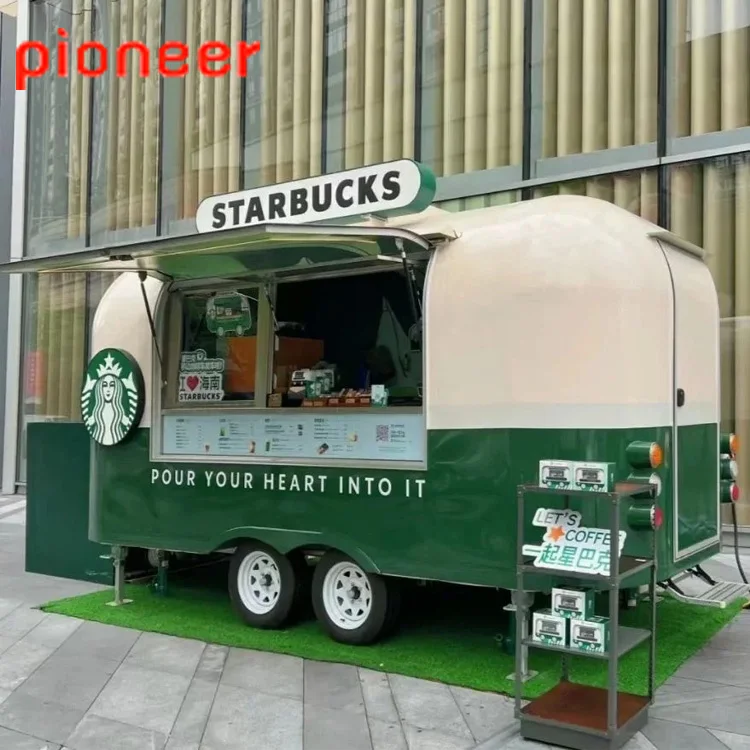
Starting a food truck business can be real exciting adventure. With small budget, you maybe think it hard to make dream come true. But with right ideas, you can turn your love for food into something successful. Food truck industry keep growing, and people usually love try new tasty meals on the go. At Pioneer, we think anyone can start their food truck if they got good plan and right mindset. Here we gonna share some tips how to make winning menu and best marketing ways to make your truck stand out.
How to Create Winning Menu for Food Truck with Limited Money
Making menu is one of most important thing for your food truck. You might not got much money, but still can create menu that really shine. First think about what you love cook. You like tacos, burgers, or maybe sweet things? Pick only few dishes that you can do really good. Better have couple delicious items than long list of just okay food.
And next, try use local ingredients. This not only save you some cash, but also help local farmers and shops. For example if you doing taco truck, get vegetables from nearby farm. Food taste fresher this way and you connect more with community. Also think about seasonal stuff. In summer you can add cool salads or cold drinks. Winter time warm soups or big hearty meals will attract people who want comfort food. Additionally, consider offering a Pickup Camper option for customers who want to enjoy their meals on the go.
Don’t forget give your food unique twist! What make your stuff special? Maybe secret spice or family recipe. Personal touch help your truck stand out alot. Also offer some vegetarian or gluten free options, this can bring more customers and make menu more open for everyone.
Pricing another big thing. Be smart with prices. Check what other trucks around charge and set yours fair. Goal is make profit but also keep people coming back. Combo meals or discount for big orders usually work good to make them buy more.
Finally test menu before you go on road. Ask friends family taste dishes and tell what they think. This help you fix things and make sure food get good welcome. With good menu your truck can pull many hungry people wanting try your creations!
What Are Best Marketing Ways for Food Trucks?
Marketing your food truck key to get customers. With little budget you gotta be creative and smart how spread word. Start with social media. Instagram and Facebook great for post mouth watering photos of food. Share pictures of dishes, behind scenes cooking, or fun events. Talk with followers to build loyal people. Use local hashtags so more can find you.
Also think make simple website or blog. This help people find you online and know about truck. Put your story, menu, and where you park each day. Maybe add blog with cooking tips or recipes to keep them visit. You might also want to showcase your unique offerings like a slide-in truck camper to attract adventurous eaters.
Another good idea team up with local business. Like if brewery near, park outside during their events. This reach customers who already go there. Or do charity thing or join local festivals. Donate bit of sales to cause can bring good attention and connect with people.
Loyalty programs also make customers return. Give free meal after some buys or discount for repeat. People feel good and come again.
Lastly, never under estimate word of mouth. Happy customers tell friends family about your truck. Give great service and tasty food so they spread word naturally. With these marketing tricks you create buzz for truck, grow customers while stay in budget.
Starting food truck with small budget don’t mean give up dreams. With great menu and smart marketing you turn passion for food into good business. At Pioneer we believe every great food truck story start with dream and plan. So get cooking and hit road!
How to Manage Costs Good in Food Truck Business
Starting food truck can be exciting specially with big dreams but limited money. First learn manage costs well. Make budget plan that list all money spend and earn. Write down everything need like food supplies, equipments, permits. Also put how much you think earn from sales. This show if spending too much or can save somewhere.
One way save is buy ingredients bulk. Bigger amount often give discount so save over time. Try local ingredients too, they cheaper and fresher. Keep menu simple also help. Focus few items you make really well instead many different. This spend less on stuff and cook faster.
Don’t forget track spending every day. Use notebook or app write what spend and earn. See where cut costs. Maybe too much on supplies or not sell enough certain dish. Tracking let you change and save money. Lastly think share costs with other truck owners. Buy supplies together or share kitchen space when truck not use. This save for all and good to make friends in food truck world.
Where Find Cheap Equipment for Your Food Truck?
Finding right equipment for truck tricky when budget small. But no worry! Many place look for affordable stuff. Start check online marketplaces. Websites and apps got new and used kitchen things. Find ovens, fridges cheaper. Just read reviews and check condition before buy.
Local restaurant supply stores another good option. They sell stuff for restaurants and have deals especially used. Ask if sales coming. Build relation with owner maybe get extra discount. Also reach out restaurants closing or upgrading. They sell old equipment low price sometimes.
You can rent equipment instead buy. Renting save money when just start. Use good quality without big cost. Make sure understand rental deal so know time and any extra fees.
Finally think DIY. If you handy make own equipment or change what have. Like build shelves or storage with cheap materials. Save money and give truck unique look that fit your brand, Pioneer!
How to Use Social Media Boost Food Truck Sales?
Today social media powerful to grow food truck business. Use Instagram, Facebook, Twitter connect customers and show your food. First make accounts for truck use name Pioneer so easy find. Fill profile with menu, location, hours.
Then post pictures delicious food. People love see what eat! Take bright colorful photos show dishes. Share videos cooking or prep food. Make customers feel close to you. Use hashtags about food trucks and your area. This help more see posts.
Engagement important. Reply comments messages quick. Thank nice comment! Answer question fast. Show you care. Run promotions or contests on social. Like discount first ten people come after see post. This make follow and watch updates.
Finally team with local influencers or food bloggers. They promote truck to followers. Sometimes visit, try food, share online. Bring lots new customers to Pioneer! Use social media smart turn dreams real and attract many hungry people.